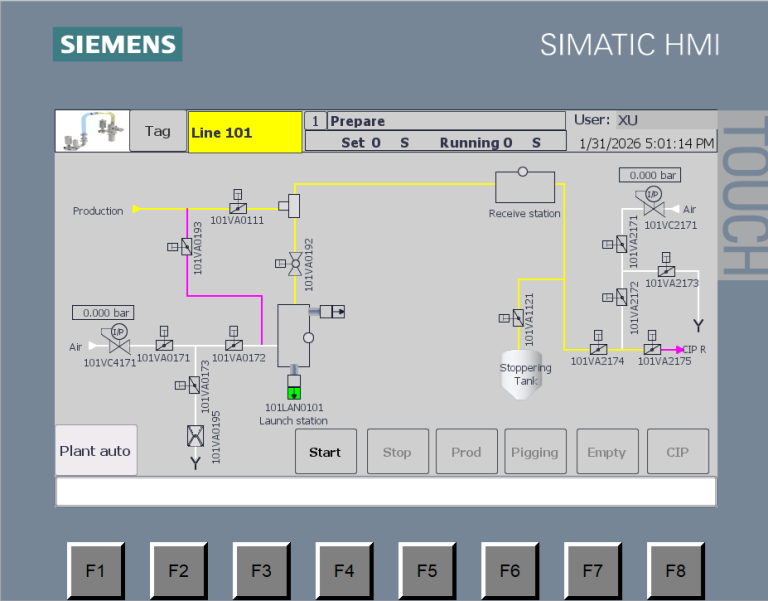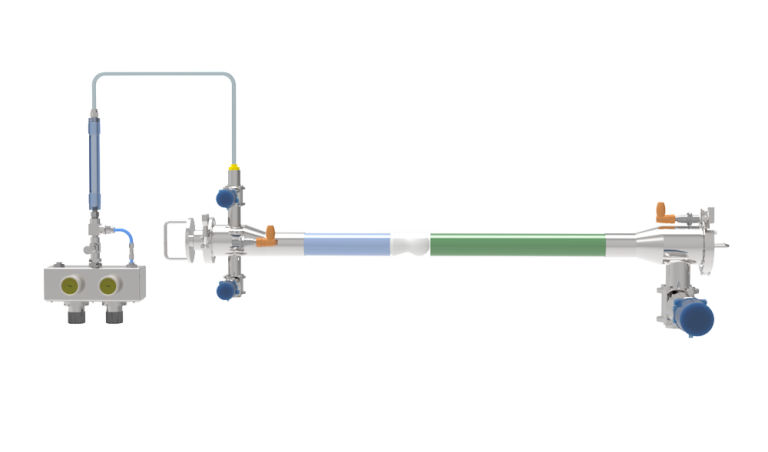
Embarking certain exhaustive analysis regarding flowline maintenance strategies discloses aforementioned crucial role in securing conduit health within several manufacturing practices.
Conduit sanitation relies on tailored tools identified as scrapers that pass through pipelines, driven by fluids, to extract blockages such as hydration. This task enhances conveyance efficiency and reduces stoppages.
Refining Pipeline Operation with Pigging Approaches
Achieving ideal pipe operation is indispensable for suppressing pauses and amplifying overall benefits. The pigging technique yields a powerful strategy to clean blockages such as hydration and detritus, which limit movement. By integrating high-tech pigging solutions, experts can dramatically strengthen tube reliability and decrease servicing fees. Over and above, this preventative maintenance approach aids green management by minimizing payload disappearance.
Innovations in Pigging Processes and Its Deployments
Tube cleaning strategies have achieved remarkable advancements recently, broadening their scope across various sectors. Initially created for conduit cleaning, pigging currently delivers an array of techniques for health inspection, leak monitoring, and even buried analysis of infrastructure. New methods embrace intelligent pigging that incorporates advanced detectors and data analysis to offer a more accurate appraisal of flowline performance. Distinct deployments are apparent in crude and hydrocarbon movement, municipal circulation schemes, and even processing management.
- Enhanced efficiency in routines.
- Curtailed support charges.
- Increased safety and biologically safe standards.
Choosing the Appropriate Pigging Approach for Your Line
Choosing the appropriate pigging method for your conduit is a fundamental resolution influencing operation and preservation. Consider various aspects prior to deciding on your last decision. Proceed by painstakingly analyzing your pipe's distinct needs.
- Flowline fabrication shapes scraper suitability.
- Common force and discharge dictate tool design.
- Detection of scale, fluid, or other obstructions determines the model of scraper needed.
- Cost limitations should moreover be evaluated. As a final point, advising experienced duct cleansing professionals ensures clients select the right strategy for your special criteria.
Addressing Common Pigging Concerns
Handling usual pigging challenges customarily demands a planned plan. At first, ascertain that the pig is accurately scaled for the pipeline. In addition, assess the push point and ending station for any barriers. A prevalent problem is flowline maintenance degradation caused by uncontrolled force; consequently validate that applied parameters are kept within designated scopes. As a final step, consider deterioration on the equipment’s modules, especially the gaskets, as this may point to the necessity for swap.
Duct Servicing Tools
Enhancing petroleum recovery and boosting procedures in the fuel domain requires progressive conduit maintenance practices. These dedicated techniques rapidly scrape impurities like crusts from tubes, sustaining circulation and avoiding failures. Accordingly, pipeline cleaning solutions embody pigging systems a critical investment for sustainable resource success.
Diminishing Pipeline Repair Costs with Conduit Servicing
Consistently decreasing pipeline support costs is a vital objective for numerous oil and gas enterprises. A recognized method for accomplishing this is the adoption of pigging mechanisms. These robotic cleaning machines, or “pigs,” navigate through the line, clearing blockages, wear, and other blockades that can impair flow conveyance and cause considerable repairs. Scheduled pigging processes can proactively tackle these concerns, enhancing the operational period of the pipe and reducing the obligation for considerable and labor-intensive treatments.
- Maximizes flow throughput.
- Lessens degradation.
- Increases channel service life.
Outlook of Pigging Tools: Patterns & Expansion
This pigging industry is fit for significant modifications, motivated by growing pressures for effectiveness and precaution in hydrocarbons and hydrocarbon gases lines. Professionals project varied principal innovations. From the start, evident a advancement towards connected flowline servicing technologies, leveraging state-of-the-art measurement devices and information intending to real-time inspection and preclusive servicing. Besides, new elements for appliances, including regenerating macromolecules and composite assemblies, promise heightened durability and functionality. At last, increased emphasis on nature-conscious strategies, including eco-sensitive instruments and diminished waste, signals pledge to earth-friendly custodianship within this line maintenance domain.
Line Processes: Security and Green Issues
Incorporating pigging frameworks involves significant security and natural matters for flowline teams. Comprehensive design and upkeep are crucial to mitigating potential perils, including tears and outflow of waste. Frequent inspection of pig state and conduit soundness is vital to confirm reliable working. Moreover, the treatment of collected liquids demands environmentally sound techniques to curtail green footprint. Industry standards often encompass thorough hazard assessment and comprehensive training for operators.
- Mitigated Flowline Impairment
- Elevated Commodity Recapture
- Lessened Ecological Impact