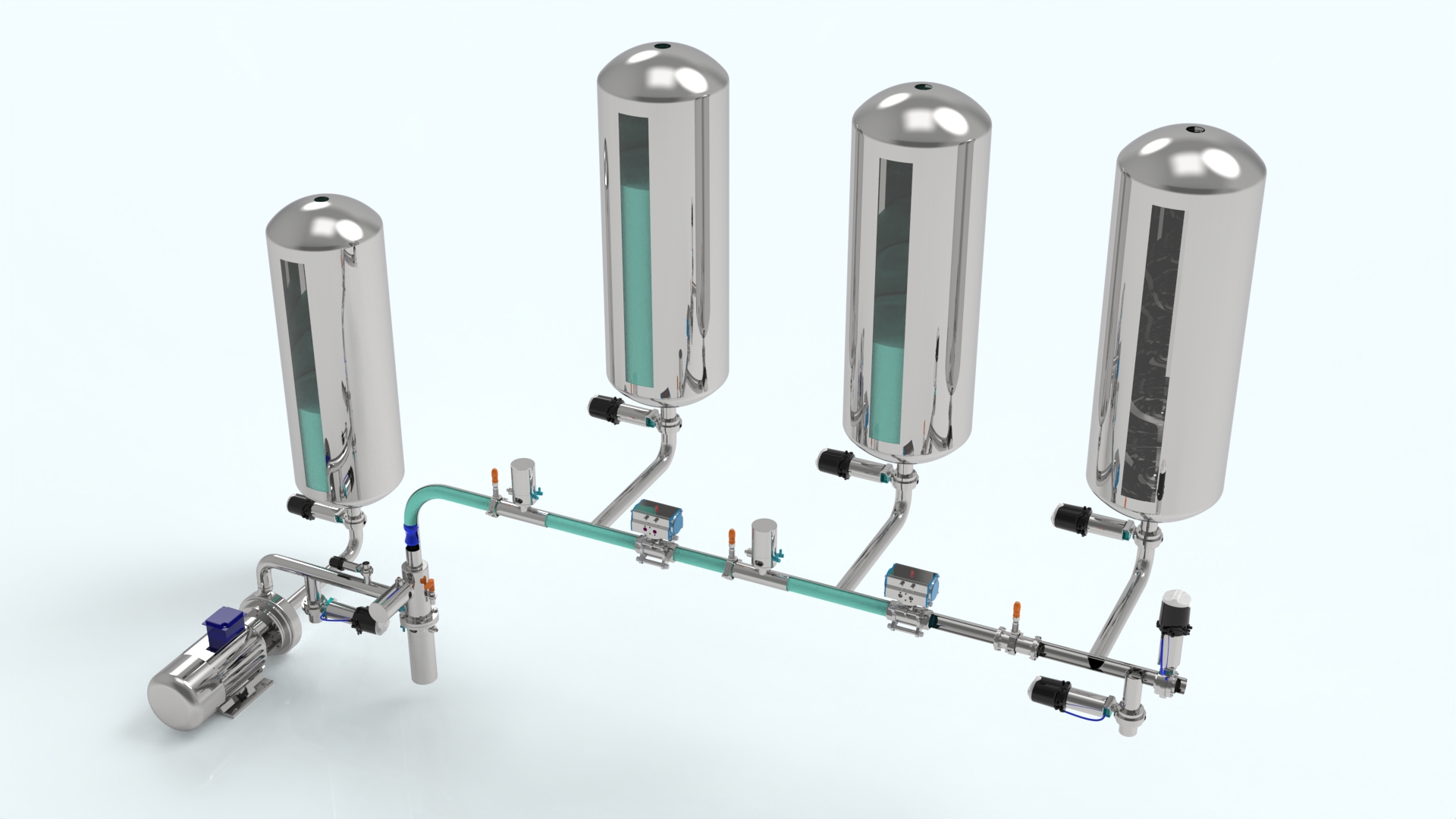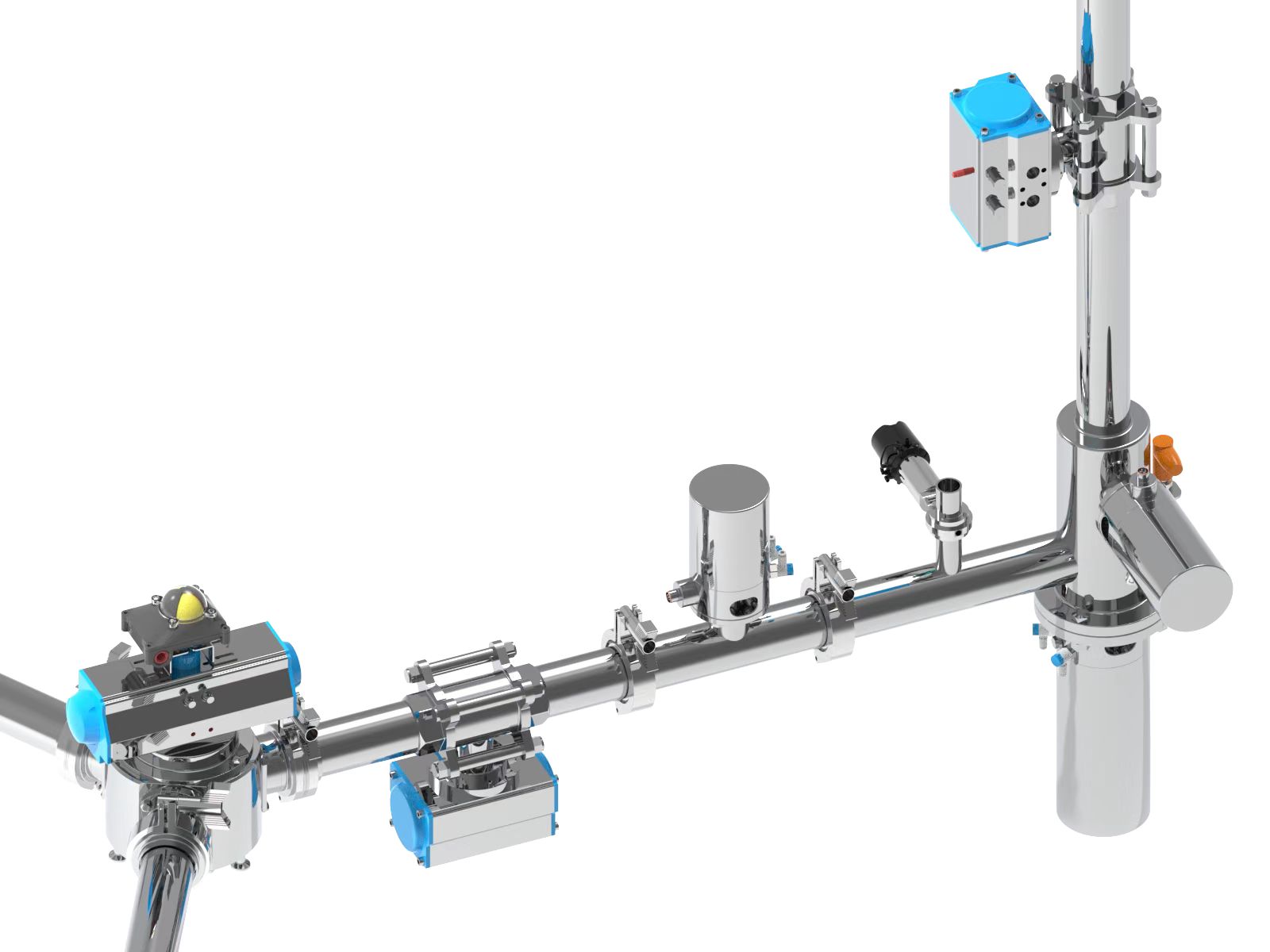
Launching
Robotic pipeline maintenance equipment supply a considerable advantage over non-automated strategies for preserving the strength of pipes. These advanced instruments accelerate the process of dispatching a "pig" – a unique device – through the line to extract deposits like scale, damage, and obstructions. By diminishing downtime and boosting process productivity, automatic pigging technology constitute a crucial investment for markets relying on pipeline transportation of fluids.
Sterile Swabbing : Upkeeping Line Hygiene in Gastronomy Industry
Protecting impeccable sanitation within edible assembly facilities is vital, particularly when it comes to pipework used for conveying mixtures. Spotless rinsing offers a formidable solution. This innovative technique involves inserting a instrument – often a flexible device – into the duct to wash out residue, including pathogens, and restore optimal sterility. Benefits include reduced potential of deterioration, improved food excellence, and augmented production yield. Features for implementation include device makeup compatibility with the good and pipeline construction.
- Decreases decay likelihood.
- Enhances food grade.
- Heightens function efficiency.
Pipeline Solutions: Raising Capacity and Minimizing Loss
Pipeline methods offer a notable increase in tube procedure for various industries, particularly within the petroleum and processing sectors. By propelling a “pig,” a purpose-built apparatus, through the system, buildup are erased, boosting efficiency and minimizing product deterioration. This causes a lessened fee and a more low-impact technique to inventory supervision.
Key Future On Pipelines: Evaluating Self-operating Pigging Approaches
Such development pertaining to pipeline administration is steadily being changed by autonomous pigging methods. Traditionally, pigging processes have relied on manual intervention, but the progress involving autonomous pigs promises boosted efficiency, lessened downtime, and upgraded safety. These state-of-the-art systems leverage detectors, insights, and algorithmic intelligence to patrol pipelines self-sufficiently, spotting defects and performing scouring tasks with unmatched precision. Forecasting widespread use, automatic pigging represents a crucial step aiming at a more durable pipeline grid globally.
Pipeline Clearing vs. Physical Sanitation
Preserving tube condition within the dairy industry presents a considered challenge. Historically, labor-intensive washing has been the standard method, relying on personnel to effectively clear debris and contaminants. However, this approach is cumbersome, liable to inconsistencies, and can be tough to fully validate. Sanitized swabbing, on the other hand, offers a new alternative. This approach utilizes a equipment propelled through the duct to scrape deposits, providing a optimized and uniform disinfection process. Key contrasts include:
- Price: Physical cleaning often involves considerable labor costs, while scrubbing has starting investment scaled-down overall fees.
- Capacity: Flushing habitually offers increased capability compared to person strategies.
- Verification: Establishing the thoroughness of cleansing is convenient with cleaning due to registering capabilities.
- Wellbeing: Traditional disinfecting can expose staff to perilous conditions, whereas pigging lessens this liability.
Implementing an Robotic Pigging Framework: Best Practices
Properly establishing an automatic pigging solution requires comprehensive coordination and adherence to recognized best approaches. Primarily, implement a detailed review of your duct to evaluate the principal issues requiring purging. This incorporates assessing the variety of impurity, the position of obstructions, and the total circumstance of the component. Subsequently, choose a pigging setup fitting for your particular operational specifications.
Also, stress rigorous instruction for staff engaged in the management operation. This ought to include mentoring on risk-free application of the hardware and insight of backup systems.
- Often survey the unit and corresponding subsidiaries for defects.
- Initiate a sturdy preservation regimen.
- Catalogue all purging cycles and pertinent information.
- Consider the ramification on tube force and commodity standard.
In summary, consistent observation and modification of the program course are important for ensuring efficiency and extending the pipeline's employable use span.
Diagnosing Frequent Hurdles in Pristine Flushing Networks
Practical working of sanitary pigging configurations often requires timely maintenance. Commonly, jams stemming from material accumulation are identified, which has the capacity to be fixed through comprehensive inspection by means of appropriate instruments. Likewise, reduced throughput suggest impaired scraper parts or internal damage. Periodic management, including tool removal and detailed assessment of channel status, is vital to reduce pauses and preserve greatest output.
Computerized Cleaning Frameworks for Industrial Ducts
Robotic purging offers substantial benefits for operational pipework, significantly improving operational capacity. This process provides a sequence of benefits, including reduced closures, minimized repair fees, and improved output consistency.
- Diminished flow decrease leading to effort savings.
- Enhanced line durability, warding off blockages.
- Improved flow by dislodging deposits.
- Increased wellbeing for labor force and the environment.
Price with Sanitary and Robotic Flushing Frameworks
Implementing spotless and automatic swabbing processes offers substantial budgetary relief for duct operators. These progressive technologies minimize product loss due to remaining product, significantly reducing discard. Beyond item recovery, scrubbing solutions diminish the frequency of preplanned channel shutdowns automatic pigging system for care, translating to increased operational efficiency. Furthermore, the lower need for human intervention and detergent application further improves the overall fiscal benefit of your function.
- Cut Output Loss
- Boosted Performance Runtime
- Diminished Operator Involvement Spending