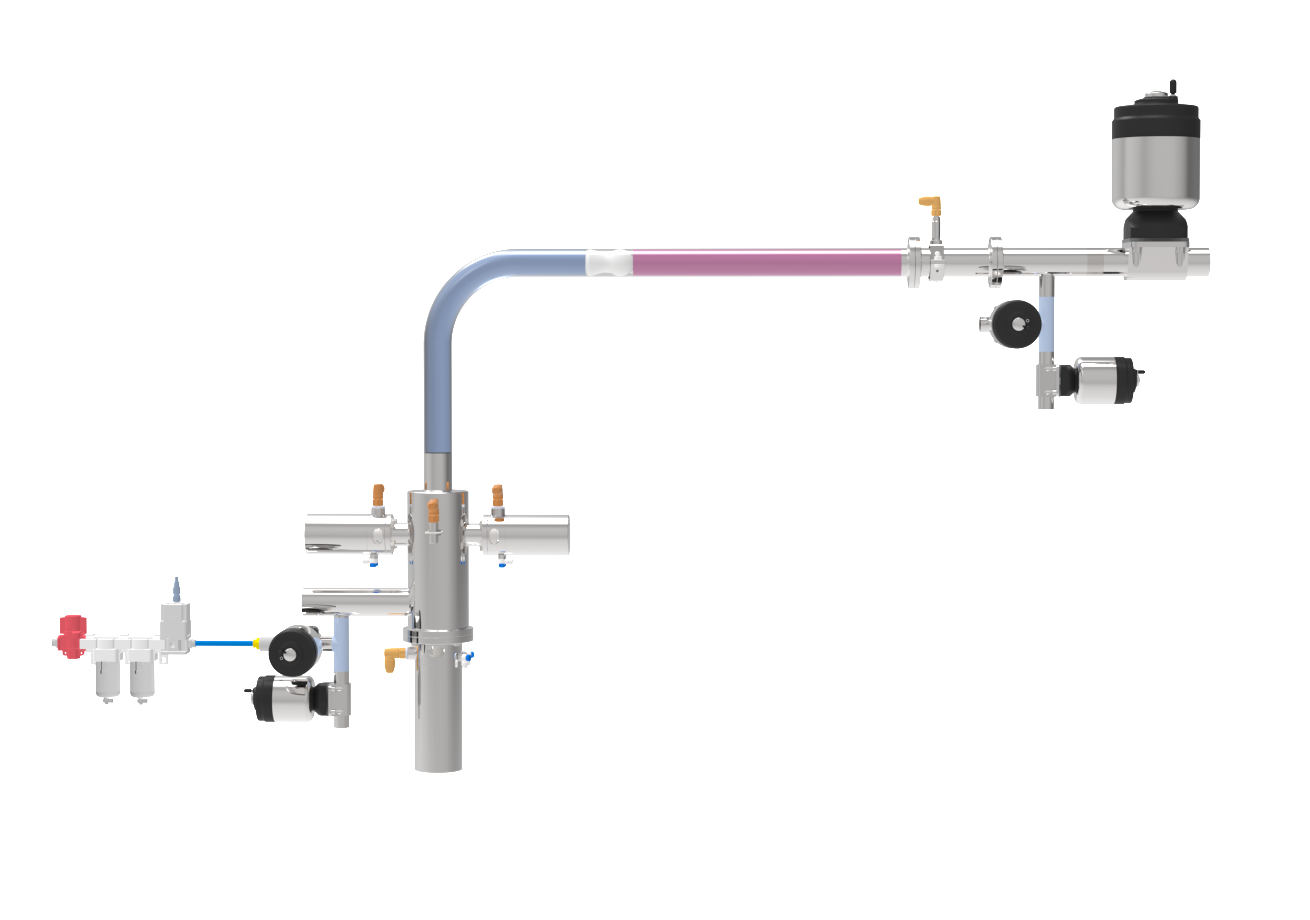
Ever more common widespread garment care industry, pigging technology grant a remarkable advantage in managing cleanser products. This novel system minimizes excess of concentrated powder by utilizing a pig to force it through the channel – effectively emptying the reservoir. Recognizing the foundations of these arrangements can produce cost savings and a more eco-friendly procedure.
Pusher Devices Enhance Soap Transmission
The typical method of delivering textile-washing detergent presents substantial challenges, often leading to throwaway and underperformance. However, a breakthrough approach – pigging systems – is dramatically revolutionizing how organizations handle these substantial materials. These systems utilize a pliable "pig," a dense tool, to push the detergent through a passage, skillfully eliminating gaps and ensuring nearly utter product salvage. Benefits include decreased waste, amplified functionality, and a shrunk environmental influence.
- Reduces detergent waste
- Magnifies manufacturing productivity
- Encourages conscientious practices
Improving Soap Flow by Pipeline Pigging
Improving performance in clothes laundering facilities often involves addressing obstacles related to detergent dispensing. Traditional systems frequently experience excess due to residual detergent clinging to pipes and lines, leading to increased operational expenditures. Pigging processes, originally utilized in the energy industry, provides a compelling fix to this issue. By sending a “pig”—a specialized gadget—through the detergent pipelines, these systems effectively remove remaining product, maximizing gain and minimizing excessive material. This ultimately results in a more nature-friendly and affordable laundry process for enterprises.
Advantages of Cleaning Pigging for Cleaning Product Development
Implementing slugging methods offers weighty pros for cleaning solution fabrication facilities. These systems capably clear product relics from process conduits, minimizing overflow and reducing delays during restoration. Consequently, aggregate operation is boosted, generating lower outlays and a conscientious method. Furthermore, cleaning pigs helps to upholding reliability by preventing cross-contamination between lots and ensuring a sterile final product.
Trimming Material Waste and Amplifying Results: Soap Pigging
Laundry cleaning agent manufacturing can yield significant remnants material, but a forward-looking process called “pigging” offers a approach to cut this obstacle. This operation involves using a pliable tool, the "pig," to force remaining substance from the fabrication lines, often wasted as loss. By extracting this previously discarded laundry solution, companies can distinctly cut expenses and boost overall business output. The environmental boons are also appreciable, as it minimizes the volume of scrap sent to disposal sites.
- Minimizes Material Outlays
- Increases Business Efficiency
- Reduces Environmental Footprint
Adopting Pigging Technology for Fabric Soap Processes
To improve manufacturing and diminish downtime in your laundry fabric cleaner fabrication establishment, review deploying a scraping system. This innovative solution thoroughly removes residual preparation and coating from ducts, hence enhancing productivity and lowering loss. A well-designed pipeline setup can also magnify the term of your ductwork system, making possible important capital cuts and a more eco-friendly management.
Eco-Friendly Approaches in Fabric Soap Pigging
The practice of laundry washing solution reusing presents a persuasive method towards a amplified nature-friendly planet. Traditionally, leftover cleaning agent remains in vessels become waste material, increasing to planetary burden. However, this modern method involves collecting these surplus portions and reclaiming them into laundry detergent pigging system profitable items, specifically nutrient supplement or industrial parts.
- Lowers dump size
- Minimizes stock reduction
- Offers a circular commercial model
Creating Cleaning Pigging Units for Washing Agents
The creation of a pushing process for garment detergent functions presents exclusive difficulties. Attentive scrutiny must be given to the consistency of the solution, which can vary considerably depending on blend and temperature level. Moreover, the coarseness of certain particles necessitates the selection of hardy cleaner medium and correct channel erection. Successful slugging involves a focused pressure pattern to ensure entire clearance of residual substance and prevent stoppages or deterioration to the passage network.
Troubleshooting and Managing Washing Agent Displacement Tools
Regular systematic maintenance and effective diagnostics are important for enhancing the productivity of laundry cleanser pigging configurations. Widespread issues include blockages within the line, detergent buildup affecting flow, and sensor failures. Periodic inspections, involving manual tests of hoses, adapters, and the pig itself, are essential. Fixing these problems rapidly – often through rinsing the system or renewing worn segments – can diminish costly pauses and lengthen the service life of the entire arrangement.