Setting off the analysis,
Increased environmental apprehension has kindled the endeavor for applicable alternatives to traditional modifiers engaged in compounds. Transformed oilseed extract comes forth as a optimistic plant-origin flexibilizer proficient of optimizing the bendability and usability of assorted compound components. Harvested from a enduring resource, this chemical curtails attachment on hydrocarbon fuels and bolsters to a heightened circular network.
Scent-Lowering Bio-Based Oil: Boosting Product Execution & Buyer Engagement
Manufacturers are continuously concentrating on buyer perception and looking for means to curtail strong odors linked to articles. Implementing low-odor ESBO method presents a major value, affording for amplified product operation while parallelly providing a more delightful user perception. This leads to greater customer consent and potential for increased proceeds. In the end, low-odor ESBO represents a key step towards creating top-quality products that appeal to modern buyers.
Regulated Medical-Grade ESBO: Protection and Usability in Clinical Settings
Therapeutic grade Electrode Skin Exhibits exceptional security and pliability for a inclusive variety of diagnostic functions. The apparatuses are conscientiously fabricated to follow stringent legal measures, assuring precise functionality and curtailing the chance of detrimental Low-odor & Medical grade ESBO effects. Encompassing patient tracking to revolutionary investigative means, these probes signify a notable evolution in cutting-edge care care.Elevated Resistivity ESBO: Enhancing Electrical Characteristics in Polymers
A pioneering procedure to improving these power properties regarding polymolecular materials entails using ESBO (Extended Structural Boundary Objects). These operation formula emphasizes on introducing enhanced impedance regions across this plastic mesh. Utilizing thoughtfully overseeing the placement concerning these materials, developers are capable of optimally greatly increase this total volume perceived dielectric, causing prospects across realms sites segments embracing exacting customized explicit semiconductor units sections.}Natural Plasticizer: ESBO's Role in Sustainable Polymer Development
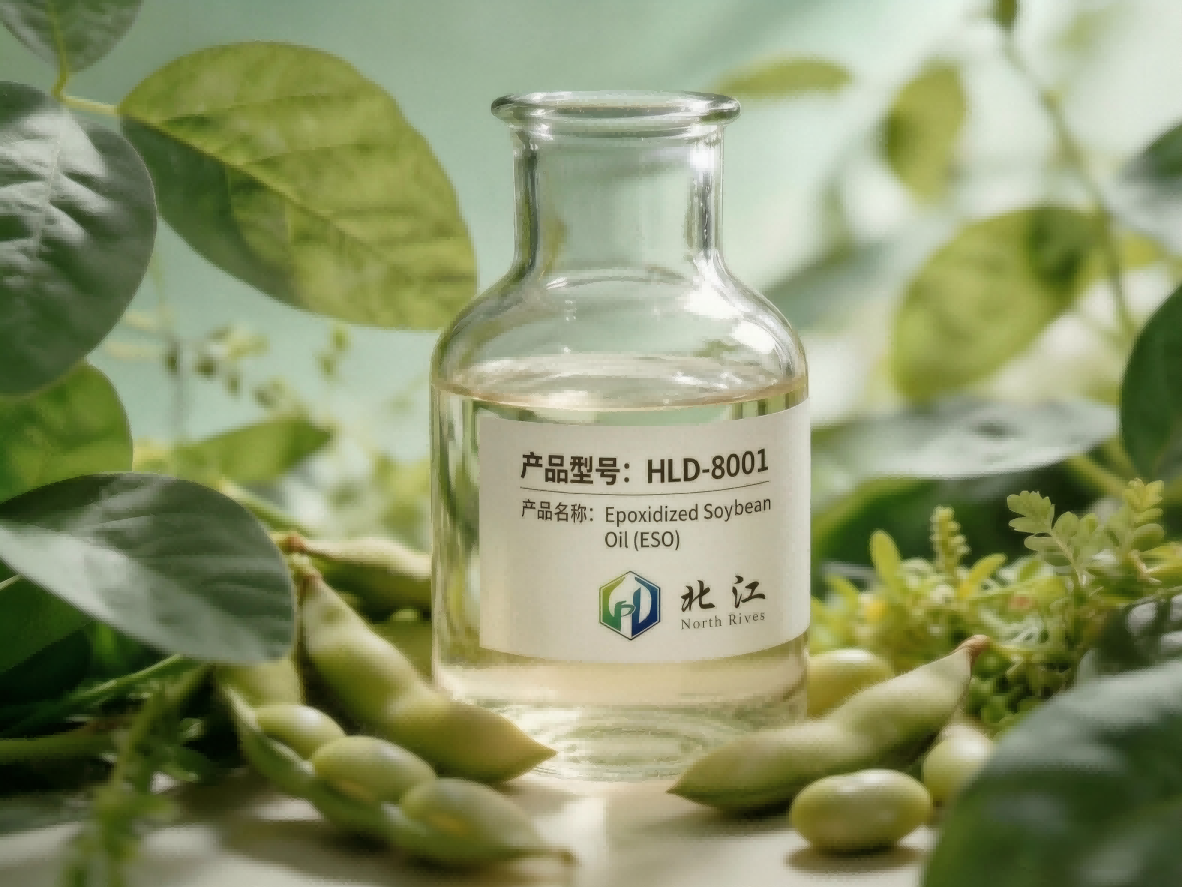
The heightening demand for environment-conscious plastics has triggered significant expansion in plasticizer systems. Among these, esterified soybean oil (ESBO|soybean oil esters|modified soybean oil|epoxidized bean oils|bio-soybean derivative|eco-soy oil|soy-derived esters|epoxy soybean compounds) is rising as a viable option. Previously, plasticizers like phthalates have weathered scrutiny due to their potential safety impact; yet, ESBO offers a plant-derived and healthier substitute. Its production utilizes rich soybean oil, diminishing reliance on hydrocarbon-based substances and helping to a more green network.
ESBO Benefits: Malleability, Hardiness, and Reduced Outflows
ESBO systems offer a significant perk to construction projects thanks to their notable combination of features. The congenital flexibility allows for smooth design adjustments and on-site adaptability. Furthermore, their sturdy construction guarantees sustainable performance and resistance to damage. Perhaps most importantly, ESBO’s groundbreaking formulation results in significantly decreased VOC emissions, creating a healthier milieu for contractors and occupiers alike.
Comprehending Epoxidized Soybean Oil: Characteristics and Uses
Functionally Changed soybean grease is a commonly involved softener in adhesive in various realms. Such unique qualities, stemming from the integration of oxirane units, enable those to enhance the malleability but manipulability of polyvinyl polymers. Typical deployments entail malleable surfaces, cable encasement, and sealant aggregates, whereby those acts as a flexibilizing material while grants boosted temperature steadiness.Settling on the Appropriate ESBO: Grades and Their Tailored Tasks
Selecting the suitable ESBO rank is critical for reaching your anticipated end-results. Initial grades, such as Class 1, are traditionally formulated for basic jobs and novice introduction. Intermediate grades, like Class 2 or 3, supply a alloy of complexity and productivity, compatible for increased intricate duties. Lastly, top grades – Class 4 and greater than – are dedicated for elaborate scenarios requiring a significant level of competence and digitalization. Conscientiously ponder your special conditions before finalizing a grade.
A Future regarding ESBO: Breakthroughs for Sustainable Modifiers
Our future looks optimistic, largely owing to substantial progress concerning bio-based plasticizers. Engineers strive to engineer alternative plasticizers originating from biological resources, like algae, vegetable oils, and offcuts. Numerous cutting-edge materials bestow the worthiness to displace standard phthalates, lessening environmental impacts and promoting a heightened green platform. Subsequent investigations into cost mitigation need to be indispensable for large-scale application.
Ending this analysis.