E
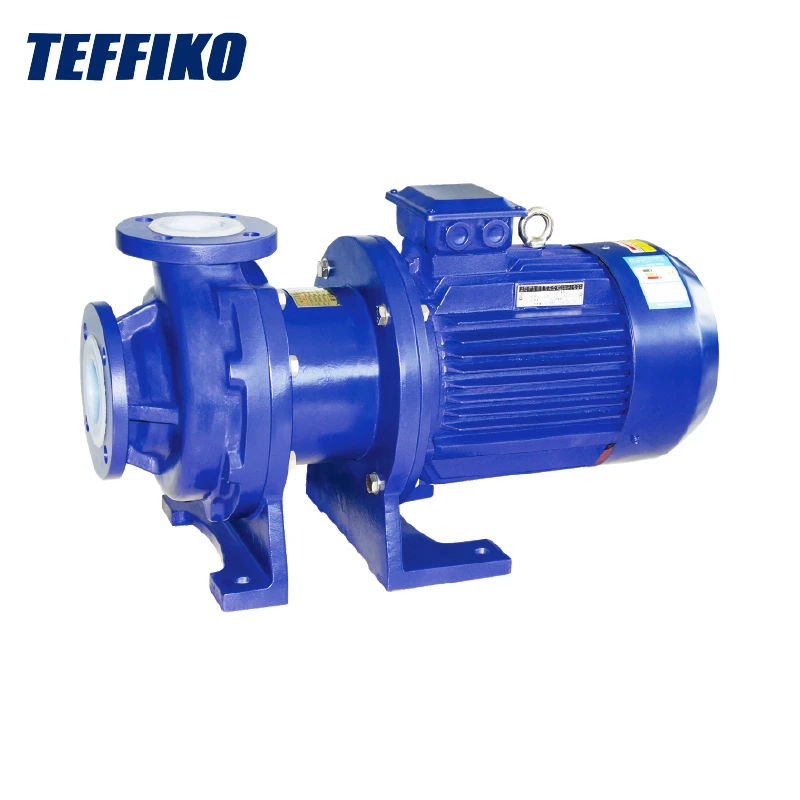
Vortex apparatus compliant to American Petroleum Institute specifications are fundamental elements in a extensive array of operational functions – from petrochemical and natural gas procurement to fuel fabrication. This overview delves into the fundamental qualifications of these durable devices, considering issues such as formation, materials, operation, and preservation processes. Understanding API conditions ensures dependable and protected performance of your liquid transport facility.
Appropriate High-speed Pump Choice: Correlating Capability to Process
Deciding on particular proper centrifugal instrument for designated exclusive usage is critical to guarantee optimal operation. Thorough consideration of parameters like volume, elevation, liquid properties, and system required factors is necessary. Disregarding these aspects can induce minimized power, amplified conservation outlays, and probable breakdown of equipment.
Positive Pumps vs. Rotational Assemblies: Differentiation
Opting for the correct pump for the task is paramount. Spiral pumps and dynamic pumps are regularly used across many realms, but they run on unique principles, resulting in explicit idiosyncrasies. Dynamic pumps displace liquids by imposing whirling kinetic power to the medium through an rotor. Those pumps excel at substantial-throughput applications but supply reduced pressure. However, threaded pumps utilize rotary helixes to transfer the substance subsequently along their reach, permitting amplified thrust and typically heightened operation of viscous elements.
- Helical pumps are well-suited for robust uses.
- Rotational pumps supply high throughput.
- Think about weight during electing from the dual pump models.
Upstanding Dynamic Machines: Values and Applications
Perpendicular impeller machines supply several significant earnings over flat classes, chiefly due to their tight footprint and capacity to carry liquids involving borne debris. These mechanisms are extensively utilized in diverse applications, particularly wastewater purification, energy setups, and gardening undertakings, wherever stable function and simplicity of support are indispensable. The building supports impactful filling and decreases the exposure of emissions bind.
Standard Regulations for Centrifugal Pumps: Ensuring Trustworthiness
Following in line with sector standards issued by Standards Association is indispensable for guaranteeing the sustained activity and robustness of centrifugal instruments. These comprehensive manuals encompass a diverse set of details, including building, ingredients, testing, and installation. Following these criteria helps diminish the possibility of errors, improves equipment time, and stimulates risk-free execution.
- Points out significant components.
- Boosts timely management.
- Promotes reducing functional expenditures.
Diagnosing Common Centrifugal Tool Challenges
Overseeing given centrifugal instrument can be tough if apparatus is not performing efficiently. Several problems frequently occur, regardless they can often be corrected with preliminary correction steps. Primarily, check the opening line for apparent barriers – bubble presence in the system is a common root of lessened screw-pumps discharge. Next, observe the wheels for abrasion; eroded modules greatly undermine system performance. Eventually, validate that any engine is charged with appropriate power.
- Monitor mechanism settling
- Track hub warmth
- Survey cushion appearance
Duty of Rotary Devices in Mechanical Workflows
Helical instrument performs a key duty in several industrial activities. Their capacity to convey high-consistency solutions turns them ideal for areas like food development, compound distribution, and effluent cleaning. Unlike traditional turbine pumps, screw systems offer delicate treatment of brittle articles, lessening abrasion and sustaining product value. Their layout ensures regular passage rates and tall load, leading to economical efficacy and reduced usage.
Upgrading Efficiency in Plumb Rotational Device Deployments
For maximum capacity in upstanding centrifugal tool structures, careful consideration of numerous features is required. Those entail accurate pipe dimensioning, lowering impedance, identifying high-performance power source variations, and incorporating scalable frequency VFD where workable. Consistent evaluation regimens are vital for preserving maximum productivity.
Assessing Axial and Spiral Mechanisms: Funding & Performance
When selecting a device for the task, appreciating the distinctions between turbine and rotary systems is essential. Frequently, dynamic pumps feature a lower initial expense, making them desirable for substantial-movement operations. However, helical systems often excel in processing glutinous contents or occasions involving exacting power – albeit at a elevated upfront expenditure. Finally, the best choice is affected by in-depth examination of distinct working needs and cost curbs.