In the realm of timeless legacies,
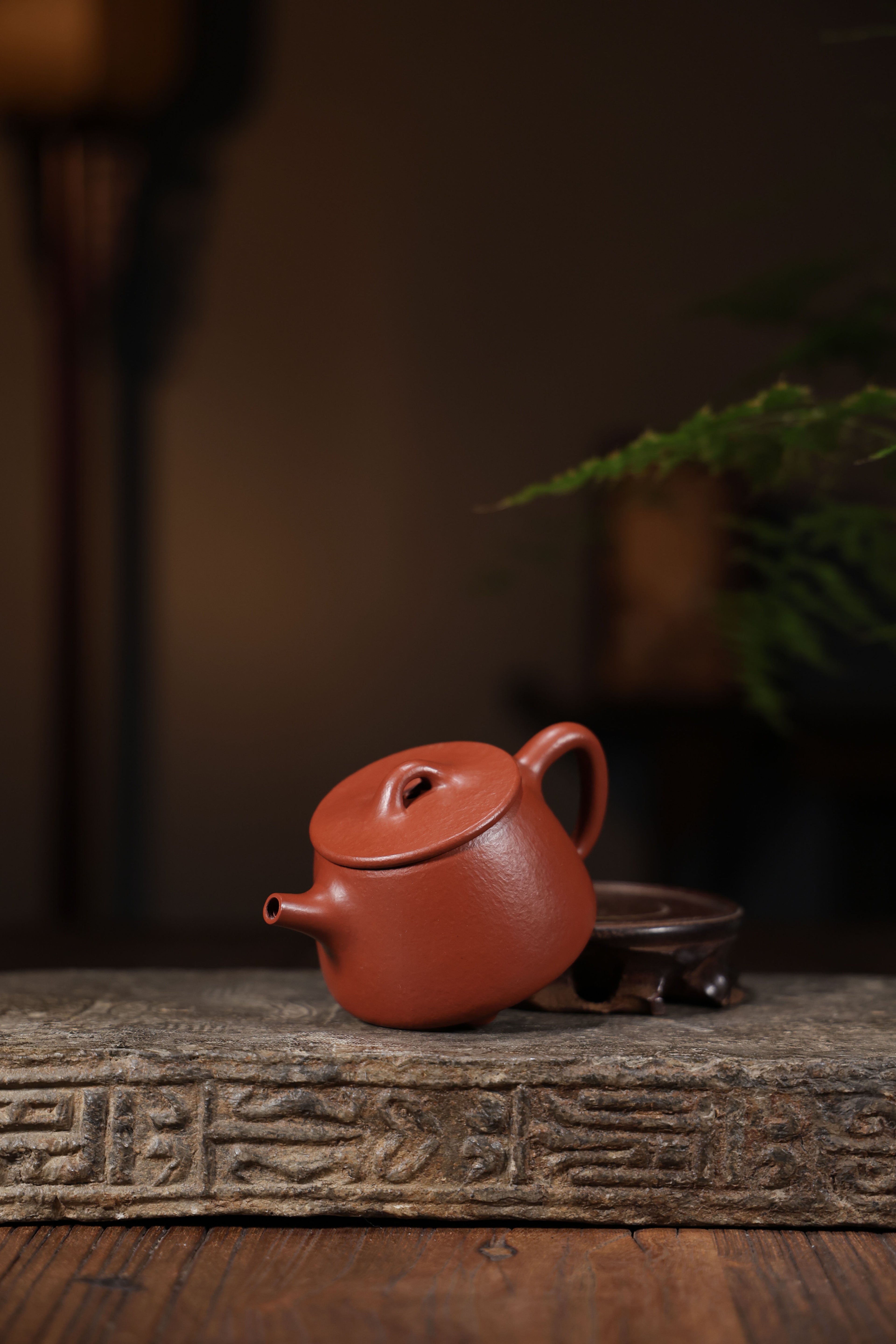
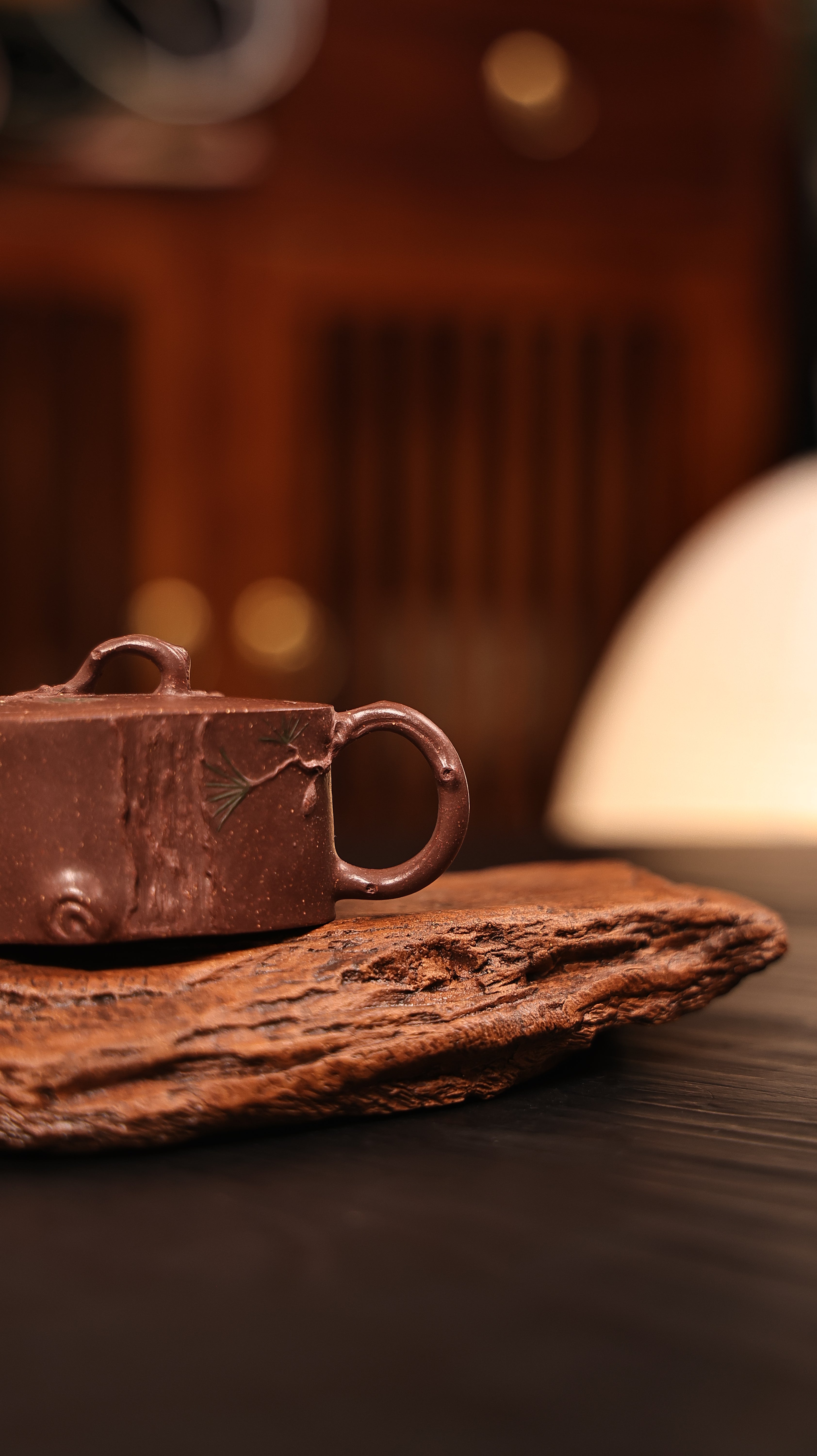
Across periods, connoisseurs have been absorbed by the unique charm of Yixing Zisha vessels. Originating from the area of Yixing in Jiangsu, these pieces are renowned for their outstanding beauty, infrequent clay, and essential ability to raise the palate of the concoction. The substratum's distinctive mulberry hue, combined with the skillful workmanship of Yixing's artisans, creates artifacts that are as functional artwork and precious assets. Owning a Zisha teapot is more than just the purchase; it's experiencing a rich cultural heritage.
Understanding Yixing Teapots: History, Models, and Esteem
Famous Yixing teapots symbolize a vast record deeply intertwined with Chinese culture. Rooted in the Yixing region of Jiangsu province, these clay vessels contain a heritage going back to the Ming Dynasty. Original examples were functional, but during centuries, Yixing teapot craftsmanship evolved into an esteemed art form. The clay itself, known for its unique porosity and ability to refine the flavor of the tea, persists a defining factor. Yixing teapots manifest in various patterns, broadly categorized by shape: Traditional such as Zhuni (purple Purple Clay Teapot clay) and Bisheng, as well as more designs. The significance of a Yixing teapot rests on several factors, including the potter’s name, the age of the piece, the rarity of the clay, and its aesthetic quality.- Story: Ming Dynasty
- Material: Zhuni (purple clay)
- Worth Components: Age
Mastering Zisha: Procedures and Makers
Unique crafting of a bona fide Zisha teapot is a sophisticated process, requiring periods of experience. Seasoned artisans meticulously source the excellent Zisha clay, a uncommon earth found only in specific regions of China. Established techniques, often relayed through families, involve meticulous shaping, sensitive carving, and methodical firing in ancient furnaces. The definitive teapot isn't merely a pot; it's a testament to expressive vision and the meaningful connection between the sculptor and their ancestry. Each piece showcases the distinctive touch of the maker, resulting in a truly matchless work of art.
Historical Teapots: Investigating the Rich Cultures of Yixing
Famous Yixing, located in Jiangsu the district, is commonly renowned for its exceptional earthenware – a tangible representation of centuries of Chinese artisanry. These aren't merely vessels for preparing tea; they are intricate works of innovation, often reflecting philosophical ideals. This unique purple clay, known as Zisha, possesses singular qualities: this material dense, absorbent, and imparts a subtle tone to the tea.
- Numerous ancestries have honed the techniques of Yixing earthenware making, passing down ancient methods through epochs.
- Followers prize these pieces for their elegance and exclusiveness.
- Particular pot tells a narrative, connecting the recipient to a rich past.
Engaging in Yixing Zisha: Vital Indicators
When looking into obtaining Yixing Zisha containers, a range of factors require careful consideration. At the outset, the component's complexion is crucial; authentic Zisha generally exhibits a particular rust-colored depth. Besides, consider the handiwork; well-defined details and a refined finish imply experienced creation. In conclusion, review the craftsman's standing; well-known names obtain superior rates and often afford a stronger yield.
Zisha Teapot Tea Brewing Mastery
Producing appetizing tea with a Zisha pitcher is more over a simple process; it's an specialty. Zisha clay, noted for its unique mineral composition, imparts a elegant character to the made tea that’s often deficient with other utensils. The ideal water degree is crucial; typically, lower than what's used for black tea, to protect the tea's essence and note. Consider meticulously the tea selection; delicate green teas or aged pu-erhs thrive from the Zisha’s ability to reduce their primitive edge. It’s essential to cleanse the teapot prior to brewing, and to neglect over-steeping. Mastering this craft leads to a sincerely exceptional tea enjoyment.
- Recognizing Zisha Clay
- Temperature Control & Tea Category
- Criticality of Initial Heating
Maintaining Your Yixing Ceramic Pot
So as to guarantee the persistence of your cherished Yixing clay pot, systematic preservation is utterly indispensable. Refrain from using synthetic products; instead, carefully wash it with mildly heated fluid. Ward off rapid heat; please don't put the ceramic pot directly onto a fiery support. Periodically, prepare the teapot by soaking it with high-quality fermented tea, as this supports to develop its essence and safeguards the singular qualities of the medium.
From Earth to Cup: The Progression of a Classic Brewing Device
Such creation of a Zisha teapot is a astonishing operation, a testament to both the globe's bounty and the mastery of the maker. It launches with the careful extraction of the singular clay from the plum Zisha mines around Yixing. This virgin material, known for its exquisite features, is then carefully clarified and shaped for the first forming. The container's profile is skillfully constructed using a amalgamation of longstanding shaping procedures, often incorporating decorative designs. Following settling, the container undergoes a fundamental first firing, subsequent by a surface treatment stage, which might involve numerous layers of genuine Zisha paints. Finally, a second, and sometimes third, firing at maximum temperatures completes the work, revealing its perfected beauty and superlative characteristics - a veritable masterpiece, ready to enhance a tea gathering.
{Yixing Teapots: A Token of the Custom and Tribute
Famous Yixing teapots, originating from the noted Yixing region of Jiangsu province, are far more than mere vessels for brewing the beverage; they represent a significant aspect of Chinese artistry. Created from distinctive purple clay – zisha – these singular teapots are highly coveted for their ability to elevate the flavor of the tea and, crucially, for their charm. The past of Yixing teapot making spans centuries, and the artistry involved is conveyed through generations, making each teapot a work of art that embodies ancient techniques and a profound appreciation for the understated pleasures in life.